


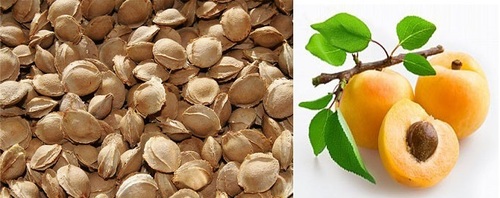
Botanical Name: Prunus armeniaca
Synonyms: Armeniaca vulgaris, Prunus ansu (Maxim.) Kom.
Common Name: The apricot
Seeds Collection period: Sep- Oct
Seeds longevity: 1-2 year
Prunus armeniaca is a small tree, 812 m tall, with a trunk up to 40 cm in diameter and a dense, spreading canopy. The leaves are ovate, 59 cm (2.03.5 in) long and 48 cm wide, with a rounded base, a pointed tip and a finely serrated margin. The flowers are 24.5 cm in diameter, with five white to pinkish petals; they are produced singly or in pairs in early spring before the leaves. The fruit is a drupe similar to a small peach, 1.52.5 cm diameter from yellow to orange, often tinged red on the side most exposed to the sun; its surface can be smoothor velvety with very short hairs. The flesh is usually firm and not very juicy. Its taste can range from sweet to tart. The single seed is enclosed in a hard, stony shell, often called a "stone", with a grainy, smooth texture except for three ridges running down one side.

Price:
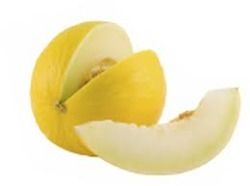
Price 52 INR / Kilograms
Minimum Order Quantity : 5 Kilograms
Product Type : Melons
Purity : 98%
Variety : Other, GladialFL
Type : Fruit Seeds
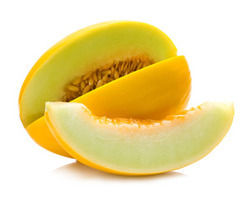
Price 50 INR / Kilograms
Minimum Order Quantity : 5 Kilograms
Product Type : Melons Caribbean
Purity : 98%
Variety : Other, NatalF1
Type : Fruit Seeds
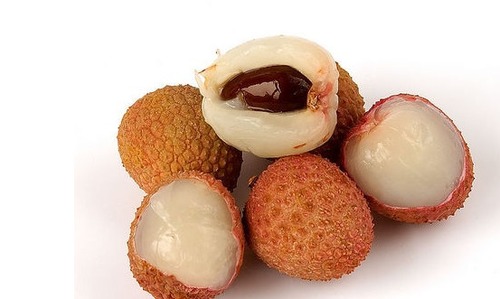
Price 48 INR / Kilograms
Minimum Order Quantity : 5 Kilograms
Product Type : Litchi Chinensis
Purity : 99%
Variety : Other, Litchi
Type : Fruit Seeds
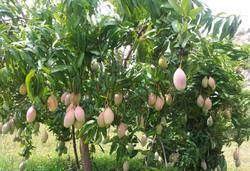
Price 54 INR / Kilograms
Minimum Order Quantity : 5 Kilograms
Product Type : Totapuri Mango
Purity : 99%
Variety : Other, Mango
Type : Fruit Seeds






 Send Inquiry

 Send Inquiry