Cycus Palm Sago Palm About
Common name(s): Sago palm
Growth Habit: extremely slow growing, long living
Type: Hardy [ grows everywhere] very easy to take care
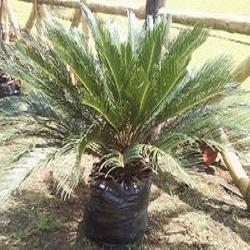
Cycas revoluta, one of the most primitive living seed plants, are very unusual and popular ornamentals. A rugged trunk, topped with whorled feathery leaves has lead to the common name "Sago Palm".
While various species of Cycads can be found throughout the world, the subtropical Cycus revoluta is native to the Far East and has been used as a choice container and landscape plant for centuries. Regardless of age or size, Cycas revoluta is one of the easiest plant to grow, indoors or outdoors, by beginner or expert. It accepts full sun or bright interior light, thrives with attention, and tolerates neglect. A 220 year old specimen of Encephalartos, a relative of Cycas revoluta, is on display at the Royal Botanic Garden, Kew England.
- Height 3.00 feet [ approx ]
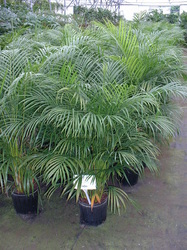
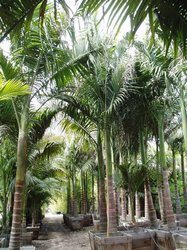
Exceptional Ornamental ValueCycus Palm Sago instantly elevates indoor and outdoor spaces with its elegant, tropical appearance. The feather-like, evergreen leaves create a lush ambiance, making it popular for horticultural projects, home dcor, and landscape design. Its slow growth ensures a manageable size for containers while still offering bold visual impact.
Versatile Growth and UsageThis plant adapts seamlessly to different environmentsthriving in pots or garden beds. Its sturdy stem and resilient leaves allow it to flourish in bright indirect light and tolerate varying temperatures, perfect for homes, offices, patios, and parks. The Sago Palm is both a statement piece and a supportive accent for mixed plantings.
FAQs of Cycus Palm Sago Palm:
Q: How should I water my Cycus Palm Sago for optimal growth?
A: Water your Cycus Palm Sago moderately, allowing the topsoil to dry slightly between waterings. Overwatering can lead to root rot, so its best to check the soil moisture before adding more water. During the growing season, water more frequently, and reduce during cooler months.
Q: What kind of soil is most suitable for the Cycus Palm Sago?
A: A well-drained, sandy loam is ideal for this plant. Good drainage is essential to prevent waterlogged roots, which can harm the Sago Palms health. If planting in a pot, ensure there are proper drainage holes and consider using a cactus or succulent soil mix.
Q: When and where is the best time and place to plant Cycus Palm Sago?
A: Plant your Cycus Palm Sago during spring or early summer when conditions are warm. Select a location with bright indirect light to partial shade; avoid direct, harsh sunlight. It adapts well both indoors and outdoorsjust ensure temperatures remain within 15C to 32C.
Q: What are the benefits of having a Cycus Palm Sago in my home or garden?
A: This plant adds a timeless, tropical charm to any setting. Its evergreen foliage provides year-round visual interest, while its slow growth makes it low-maintenance. Sago Palm also helps improve indoor aesthetics and can serve as a focal point in outdoor landscaping.
Q: Is Cycus Palm Sago safe around pets and children?
A: No, all parts of the Cycus Palm Sago are toxic if ingested, particularly for pets such as cats and dogs. Its recommended to place the plant out of reach of pets and small children to prevent accidental ingestion.
Q: How tall will my potted Sago Palm get, and what affects its growth?
A: In a container, the Sago Palm typically reaches up to 2 meters over several years. Growth rate depends on sun exposure, temperature, soil quality, and overall care. In its natural outdoor habitat, it may grow even taller.









 Send Inquiry

 Send Inquiry